
Understanding the House Advantage
The house advantage is a cornerstone concept in gambling, denoting the mathematical edge that casinos hold over players across their games. This advantage is essential for ensuring the profitability of casinos and is typically expressed as a percentage of the total bets placed. In games like roulette, for example, the house edge can vary greatly, ranging from approximately 2.7% to 5%, depending on whether players opt for a single or double zero wheel. Additionally, players looking for exciting options may explore fast withdrawal casino uk real money that offer quick payout processes, ensuring they can enjoy their winnings without unnecessary delays.
For players aiming to improve their chances of winning, understanding the house advantage is vital. By identifying games that come with lower house edges, players can make more informed decisions about where to place their bets. Blackjack, for instance, can present a house edge as low as 0.5% when played with optimal strategies. Such knowledge empowers players to devise effective strategies that focus on maximizing potential returns while minimizing losses. The nuances of these games can significantly affect a player’s overall gaming experience and their ability to manage their bankroll effectively.
It is important to remember that the house advantage does not guarantee loss for individual players; rather, it serves as a statistical average over time. Players may experience winning streaks in the short term that defy the odds. However, over an extended period, as the number of rounds increases, the house advantage tends to manifest itself, leading to the casino’s sustained profitability. Therefore, players should maintain a balanced perspective, enjoying the gaming experience while recognizing that consistent victories against the house are highly unlikely.
Common Strategies to Minimize Losses
In an effort to counterbalance the house advantage, numerous players employ various strategies aimed at minimizing their losses and prolonging their gaming sessions. One of the most well-known methods is card counting, primarily used in blackjack. This technique requires a significant amount of practice and skill, as players keep track of the cards that have been dealt to adjust their betting strategies based on the current count. By doing so, they can increase their chances of winning favorable hands. Although mastering card counting is challenging, it can provide players with a slight edge, particularly when combined with optimal gameplay.
Another strategy involves the use of betting systems, such as the Martingale or Fibonacci systems. The Martingale system operates on the principle of doubling one’s bet after every loss with the belief that a win will eventually occur, allowing players to recoup all previous losses. While this method can seem appealing, it carries substantial risks, as extended losing streaks can rapidly deplete a player’s bankroll. Conversely, the Fibonacci system recommends a more gradual increase in bets according to a specific sequence, presenting a less aggressive approach that may be more suitable for certain individuals.
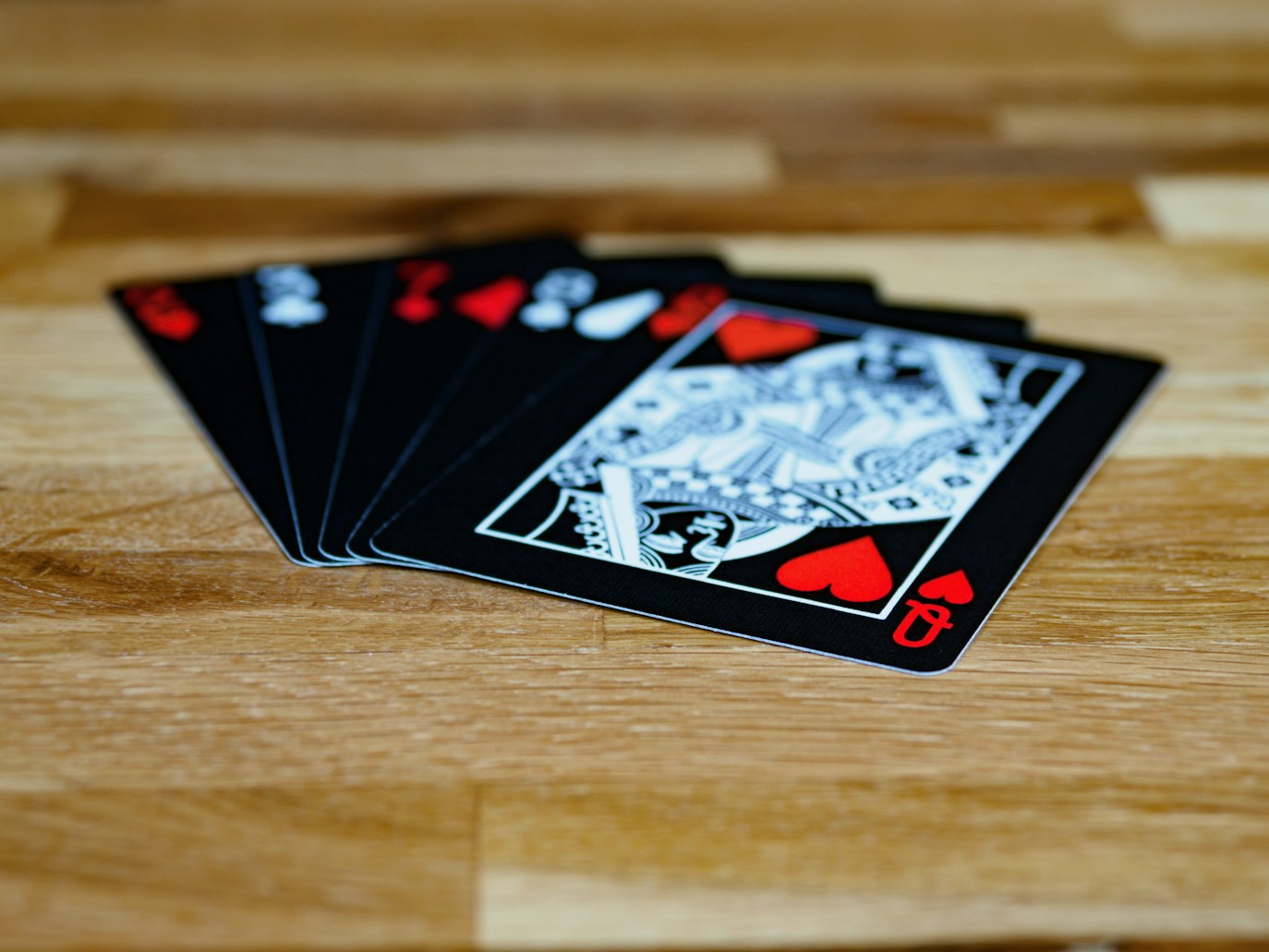
No matter which strategies are employed, it is critical for players to understand that no betting system guarantees victory. The nature of gambling is inherently volatile, emphasizing the importance of responsible gambling practices. By setting personal limits and sticking to them, players can enjoy the thrill of the games while minimizing the risks associated with the house advantage. Such discipline is essential for cultivating a balanced gaming experience and steering clear of the temptations of excessive betting.
The Role of Game Selection
Choosing the right game is a crucial factor in a player’s ability to effectively mitigate the house advantage. Different games come with varying house edges, prompting informed gamblers to gravitate toward those that offer the best odds. For instance, games like video poker and blackjack generally provide better odds compared to slots or keno, which are often designed to favor the house more significantly. Players should dedicate time to researching various games and selecting those that align with their skills and strategic understanding, thereby enhancing their potential for success.
In addition to opting for games with lower house edges, understanding the rules and strategies related to those games is equally important. Take poker as an example; while it does have a house edge, it is fundamentally a game of skill where players compete against each other rather than against the house. Mastery of critical skills such as betting strategies, bluffing techniques, and the ability to read opponents can significantly improve a player’s chances of winning. Thus, investing time in learning the intricacies of a game can provide a competitive edge over less experienced players.
Moreover, many casinos offer various promotions, bonuses, and loyalty programs, which can enhance a player’s chances of winning without increasing their risk. Taking advantage of these offers can be a strategic way to improve overall odds. However, players must carefully read the terms and conditions associated with such promotions, as they may come with wagering requirements that could diminish their value if not fully understood. Therefore, combining astute game selection with a solid understanding of promotional offers can profoundly impact the overall gaming experience.
The Psychology of Gambling and Expectations
The psychology behind gambling is an intriguing aspect that significantly influences how players interact with the house advantage. Many individuals enter casinos with optimistic expectations of winning, often driven by a belief in luck or emotional enthusiasm. This cognitive bias can lead to overconfidence, where players mistakenly believe they can consistently overcome the house edge. Such overconfidence may result in reckless betting behaviors and potentially substantial financial losses. Recognizing these psychological factors can help players manage their emotions and approach gambling more rationally.

Another important psychological aspect is the concept of “loss aversion,” which suggests that the emotional pain of losing is often more intense than the pleasure derived from winning. This tendency can create a dangerous cycle of chasing losses, frequently leading to even greater financial strain. By being aware of this inclination, players can adopt more disciplined strategies, such as setting loss limits and taking breaks when emotions run high. These practices can help maintain a balanced perspective, preventing impulsive decisions that often result in further losses.
The social atmosphere of casinos can also intensify psychological factors, as the environment—characterized by the sounds of winning machines and the excitement among fellow players—can create a euphoric yet misleading experience. It is crucial for players to stay grounded, focusing on the mathematical realities of the games instead of getting swept up in the emotional highs and lows of gambling. Developing a balanced mindset can significantly influence how one navigates the gaming experience, particularly when faced with the realities of the house advantage.
Conclusion on Beating the House
In conclusion, the question of whether players can genuinely beat the house advantage is complex and multifaceted. While casinos are structured to maintain their edge over time, players can take specific actions to lessen this advantage through strategic game selection, a solid understanding of the odds, effective betting strategies, and a disciplined mindset. While short-term victories may be possible, achieving long-term success against the house remains a formidable challenge. Gamblers must approach their casino experiences with a balanced outlook, embracing the excitement while being keenly aware of the inherent risks involved.
For those seeking deeper insights into the complexities of gambling, engaging with resources that specialize in gaming strategies and responsible gambling practices can be extremely beneficial. These resources can provide valuable information that supports a more informed approach to navigating casinos. A thorough grasp of the principles discussed in this article can empower players to make smarter decisions, enhancing their overall enjoyment while minimizing potential losses.
Ultimately, while beating the house advantage is a significant challenge, players can enhance their experience and potentially improve their odds with the right knowledge and strategies in place. Emphasizing strategic play and responsible gambling fosters an environment where players can savor the thrill of the games while acknowledging the reality of the house edge. By adopting this approach, players can protect their interests and potentially extend their playtime, ensuring a more enjoyable and fulfilling experience in the casino.
